
Service 02
Design of the business model, operating model and team structure
A micro-mobility system is sustained by its economic model and its day-to-day operation, not by the quality of the vehicle. RÁFAGA designs the three pieces that make it sustainable: where the revenue comes from, how the operation is executed, and who executes it.
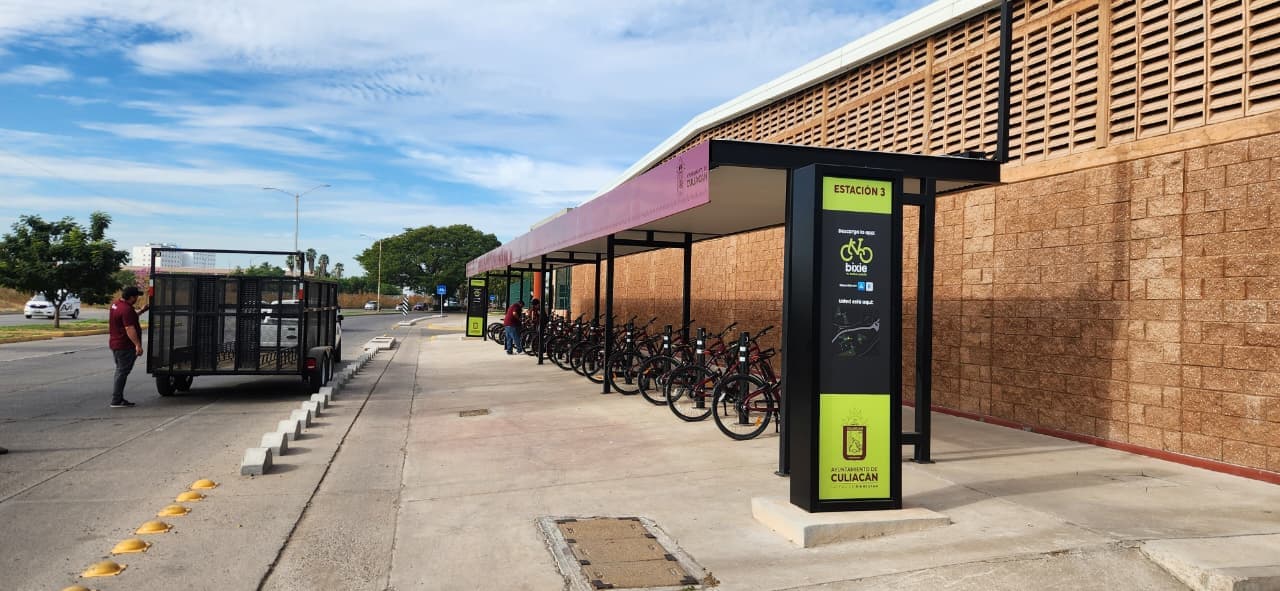
The three layers of the design
Business model design
Revenue, cost and profitability structure sustained over time: fares, memberships, sponsorship, advertising or subsidy, depending on the type of client.
Operating model design
Day-to-day processes, logistics and service levels: fleet rebalancing, preventive maintenance, user support and response times.
Organizational structure design
Roles, teams and governance so the operation doesn't depend on specific people but on a replicable scheme.
What changes depending on who operates the system
The same technical system needs different models depending on who's going to operate it and where its revenue comes from.
| Client type | Typical revenue source | Operating priority |
|---|---|---|
| Municipality | Public fare, sponsorship, mobility budget | Territorial coverage and availability |
| Residential development | Maintenance fee, resident membership | Reliability and resident experience |
| Private operator | Per-trip fare, subscription, corporate | Per-vehicle profitability and scalability |
Frequently asked questions
Does RÁFAGA operate the system or just design it?
Both are possible. We design the operating model for your team to execute, and we also provide ongoing operational support when the client prefers not to build that capacity in-house.
How is a shared bicycle system's break-even point calculated?
It's calculated using the projected demand from the pattern study, the cost per vehicle in operation (maintenance, rebalancing, energy, software) and the revenue mix available to that client. The result is a range, not a single number, with conservative and expected scenarios.
What team size is needed to operate an urban network?
It depends on the number of vehicles and stations, geographic dispersion and the committed service level. The organizational structure design delivers that number along with concrete profiles for each role.
Keep reading
Ready to transform mobility in your city or development?
Tell us the connectivity challenge you're facing and we'll design the turnkey project that solves it.